
Pallavi S.
Digital Connect, Aarogyam (UK)
Abstract
The integration of precision medicine into community healthcare has been significantly enhanced by telehealth platforms, providing personalized and efficient medical services to diverse populations. Aarogyam UK and i-Care Hub have successfully implemented virtual healthcare models, transitioning from Zoom-based consultation sessions to walk-in virtual clinics. Their approach emphasizes secure digital infrastructure, real-time data-driven treatment planning, and effective patient engagement. This paper presents a structured methodology for deploying precision medicine via telehealth, detailing the challenges, learning lessons, and future directions based on real-world applications. The findings underscore the importance of digital literacy, multidisciplinary collaboration, and data interoperability in achieving scalable precision medicine solutions.
Introduction
Telehealth and precision medicine have revolutionized the way healthcare access has been brought closer to the community. Aarogyam’s Walk-In Virtual Clinics have for the first time offered a new model of healthcare services combining personalization of medicine with remote care. This paper aims at explaining the methodology which was developed by Aarogyam during the pilot study, the implementation, the results and the suggestions for the future.
The Methodology Development in the Walk-In Virtual Clinics
Aarogyam Walk-In Virtual Clinics were established with the aim of offering patient centered, secure telehealth solutions. The methodology was developed to enable real time health measurement and consultation from various experts. The telehealth platforms with the EHRs to support the digital infrastructure were developed to support multiple users and have patient information available real time. Security and compliance were a concern, encryption was used to make sure that data was encrypted and secure and that the healthcare regulations were followed.
Patient entry was done through a virtual onboarding process that involved digital literacy training. The collection of genomic data was integrated through at home test kits and electronic medical surveys to get an entire patient history. The methodology was a precision medicine approach and involved the involvement of geneticists, physicians, nutritionists, and behavioral health care providers.
The utilization of AI in data analysis was useful in developing individualized care plans and evaluating patients’ response to drugs. Consultations were done in secure telehealth based virtual rooms to ensure that patients and physicians were not exposed to the public. The biomarkers which included blood pressure, glucose and cardiovascular health were also monitored remotely through wearable technology.
This patient engagement was also enhanced by the mobile applications and the AI powered chatbots which offered education, natal health support and reminders. Virtual follow up examinations were done frequently to check on the effectiveness of the treatment and whether the patient is complying with the treatment plans recommended.
Outcomes and Observations
The Aarogyam pilot study showed that patient accessibility, adherence to treatment, and health outcomes were improved. The specialist consultations were also readily available to the rural and hard to reach populations because of the telehealth technology. It was noticed that digital reminders and strict adherence to the follow-up schedule helped in increasing the rate of medication compliance. It also meant that treatment plans could be adapted easily to the patient’s current state, thus leading to improved health outcomes.
Future Directions and Recommendations
To build and improve on Aarogyam’s virtual clinic model, the following recommendations are made for the future:
1. Large extension and enhancement of the applications of predictive analytics and precision medicine treatments should be done in the future of AI personalization. Machine learning should be used to develop patient tailored treatment plans that are based on the patient’s genetics and behavior.
2. To increase the service delivery and the use of digital technology it will be important to engage with telecommunication companies to fill the coverage gaps and patient education on telehealth. Very important will be the regulatory and policy integration, the establishment of standard procedures for teleconsultation and electronic prescription.
3. It will be important to encourage government partnerships in order to establish payment for virtual precision medicine care. Wider integration and security of data should be paid much attention to improving the frameworks for coupling with the global healthcare networks and implementing the strong cybersecurity measures for patient’s health information.
About the Author
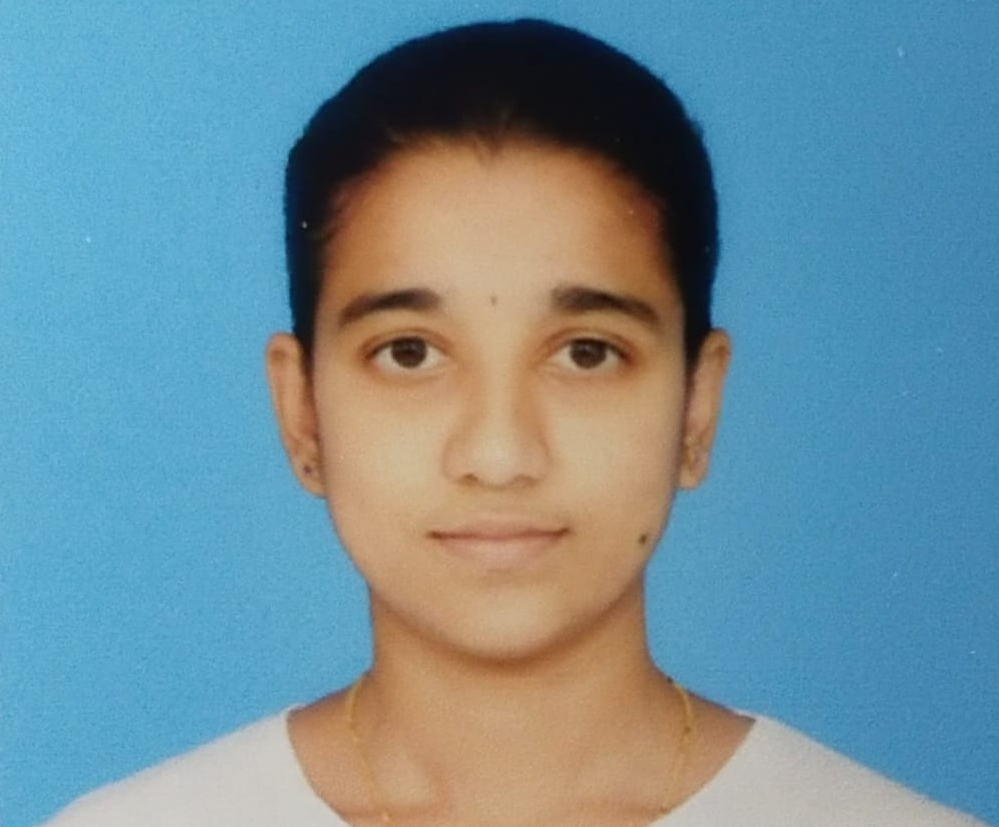
Pallavi S. has been a driving force in the field of digital health, precision medicine, and editorial excellence. Her expertise spans across multiple domains, including content curation, program development, and digital health advocacy. Pallavi played a pivotal role in shaping its narrative, ensuring high-quality content that addresses critical issues in digital health and innovation.
Pallavi was integral in developing the Digital Connect Program for Aarogyam, an online health community. Her innovative approach facilitated better engagement and support for community members, leading to improved health outcomes and increased awareness about digital health. Her work in this program helped bridge the gap between digital solutions and community health needs, making digital health resources more accessible and impactful.
Cite this article: Pallavi S. (2025). Aarogyam’s Virtual Clinics: A Precision Medicine Approach. Praxis 1(1). Retrieved from Aarogyam’s Virtual Clinics: A Precision Medicine Approach – PRAXIS
 PRAXIS
Leave a comment